Why You Need a Contractor Who Can Say "No"
Almost every person who undertakes a major house renovation wants to get the very most for the budget they have. It is natural to want your general contractor to reassure you that you will get what you want. This is where trouble can begin.
Homeowners need contractors to guide them through uncharted waters. Sometimes they also need to reign in their untethered desires. To do that, builders have to be able to say “No”, and clients have to be able to listen.
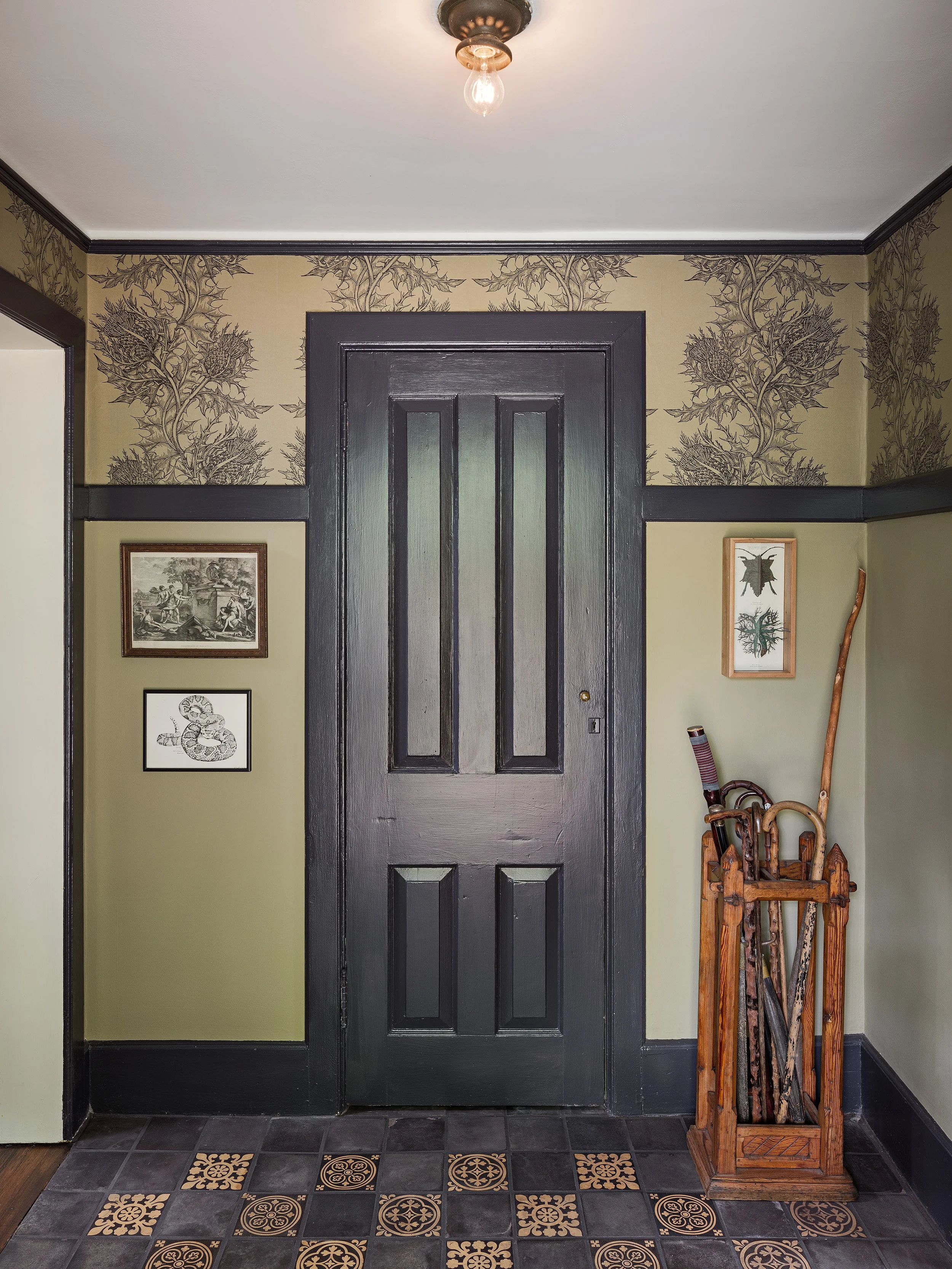
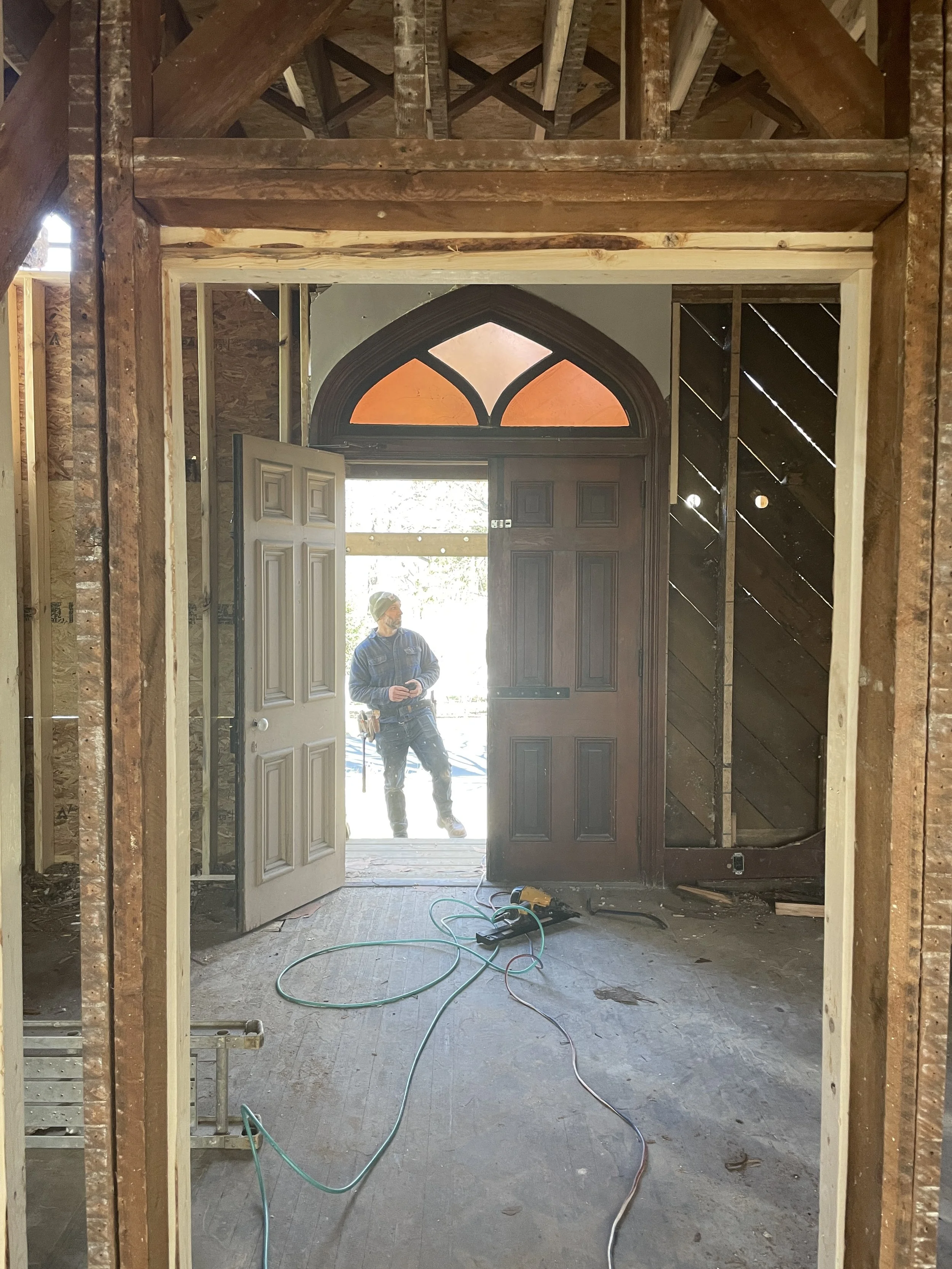
We recently finished a complete remodel of a large 100 year old center hall colonial.
The intention was to preserve the feel and charm of the old house while opening up the original structure with large modern glass to show the shockingly hidden, rolling field behind the house, in the center of Ardmore. The renovations were extensive and required structural alterations.
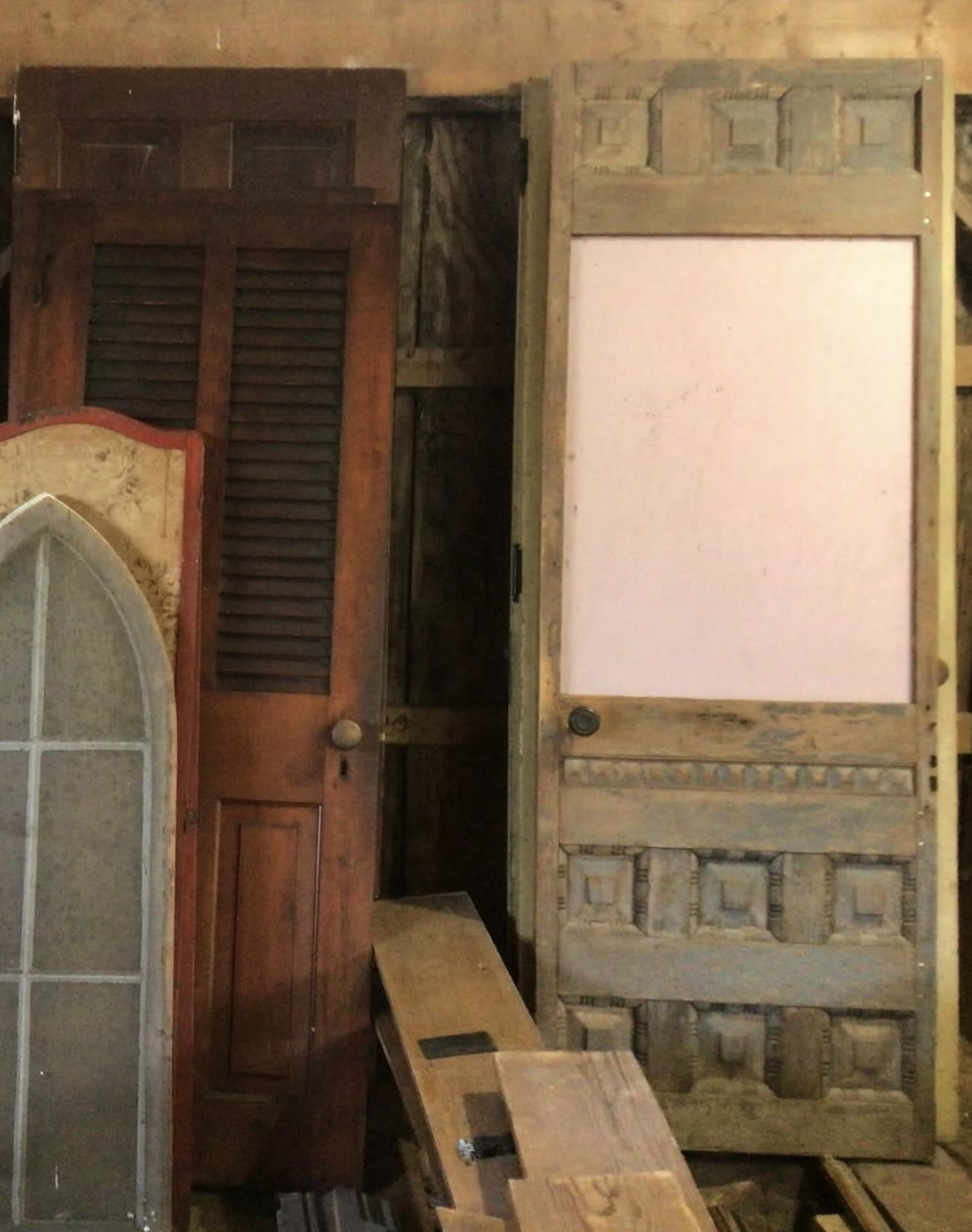
To save money, our clients asked the contractor to reuse all of the old doors. Their first general contractor said, “sure!” After all, who wouldn’t want to reuse the solid 15-20 five-panel doors? He then proceeded to have his crew put the doors in the basement, where they would sit for the next year.
The problem is that houses settle. When that happens, the doors along with their frames settle as well. To fit an old door into a new jam takes time and advanced skill even for a seasoned carpenter- and that is before refitting the hardware.
Rehanging all of the old doors will require the highest skilled person on the job site to spend days tweaking doors and latches. There is a reason that there is not much of a resale market for solid wood doors.
If old doors are beautiful, it may be worth it. The critical consideration is that reusing the old door will in fact cost more than buying a new door and will extend the finish date.
After several difficulties, my clients fired the first contractor. The second builder politely but firmly told them that reusing those doors was not a good idea. While the new contractor understood the sentiment of repurposing the doors, his job was to focus on the big picture.
To complete the project both on time and on budget, new doors were needed.
The first contractor made us, the design team, look like nay-sayers that were cavalier about the environment. The second builder made clear all that was involved. Clients need to understand the implications of their decisions.
For my clients, the issue was never about the doors themselves. It was about preserving a vision for the property and reusing materials when it made sense to do so. In a perfect world the original doors would have been reused. The problem is that perfect worlds rarely include renovations of large 100 year-old houses. If you still have the fortitude to save your old crooked doors make sure the contractor also saves the old crooked door jams!